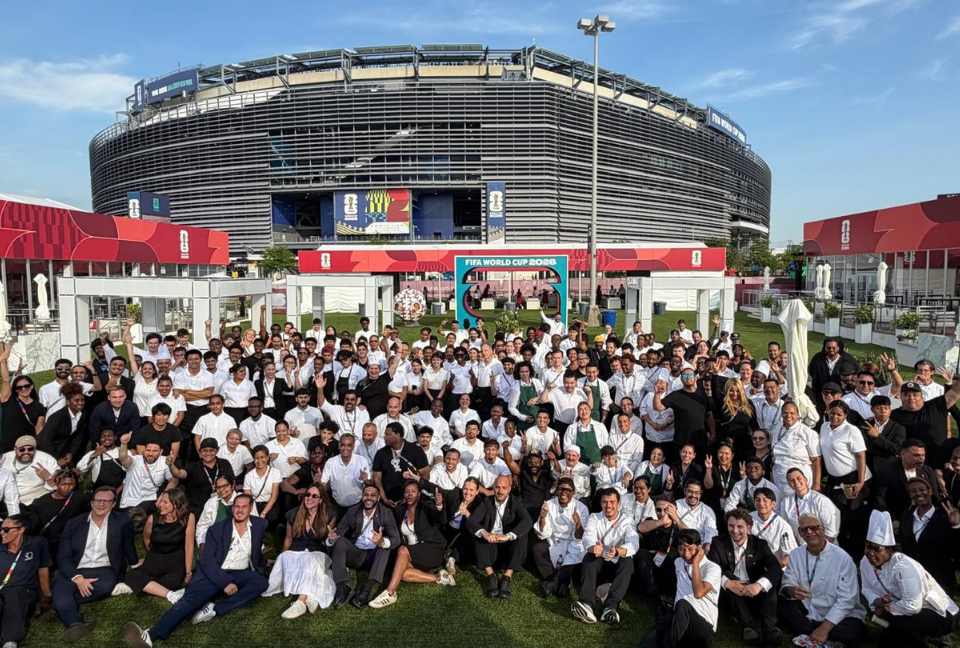
Muddy Cleats and Good Eats: Middlesex College Staff Member Shares Experience Working at 2026 FIFA World Cup
Hospitality, Culinary Arts, and Dietetics Lab Coordinator Stephanie Bordenabe prepared and executed large-scale food service for guests of the international summer spectacle.
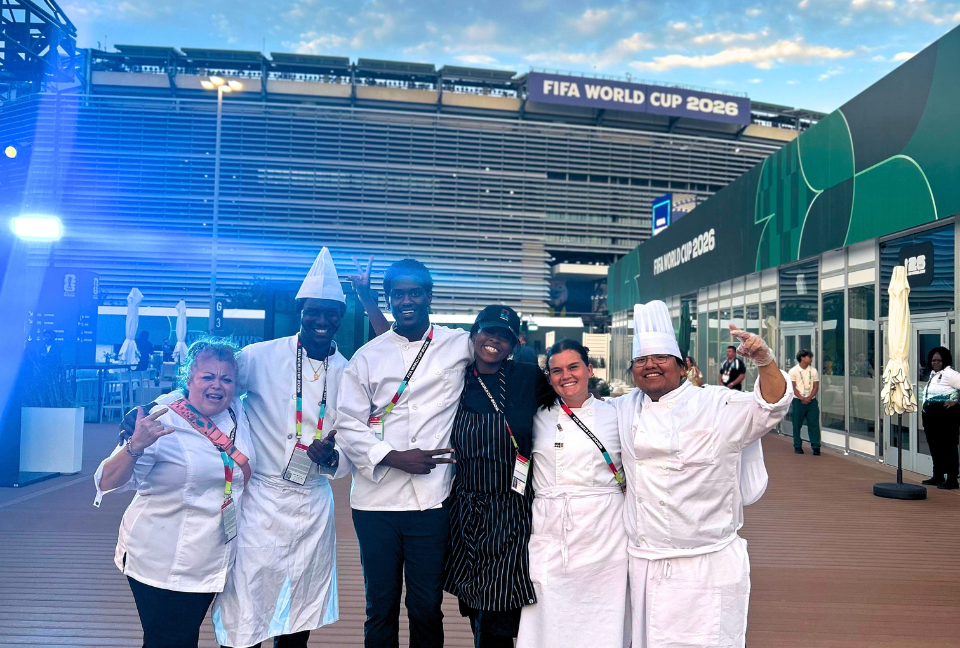
Millions tuned in to the World Cup to watch incredible feats in athleticism and cheer on their favorite teams. Others lined up for another reason — the snacks.
This summer, Middlesex College Hospitality, Culinary Arts, and Dietetics Lab Coordinator Stephanie Bordenabe had the incredible opportunity to work as a chef during the 2026 FIFA World Cup at Metlife Stadium in East Rutherford, New Jersey.
Bordenabe learned about the opportunity through a direct message on her professional Instagram account. The message, from the company Premier Staff, included a brief outline of available positions and invited those interested to reach out for more information. Bordenabe made contact and went through several rounds of Zoom interviews before she was selected and able to pick up her FIFA accreditation pass.
“Working behind the scenes of the World Cup was an incredible opportunity to put my culinary skills into practice in a fast-paced, high-volume environment,” said Bordenabe. “It was a summer filled with long days, hands-on cooking, and teamwork.”
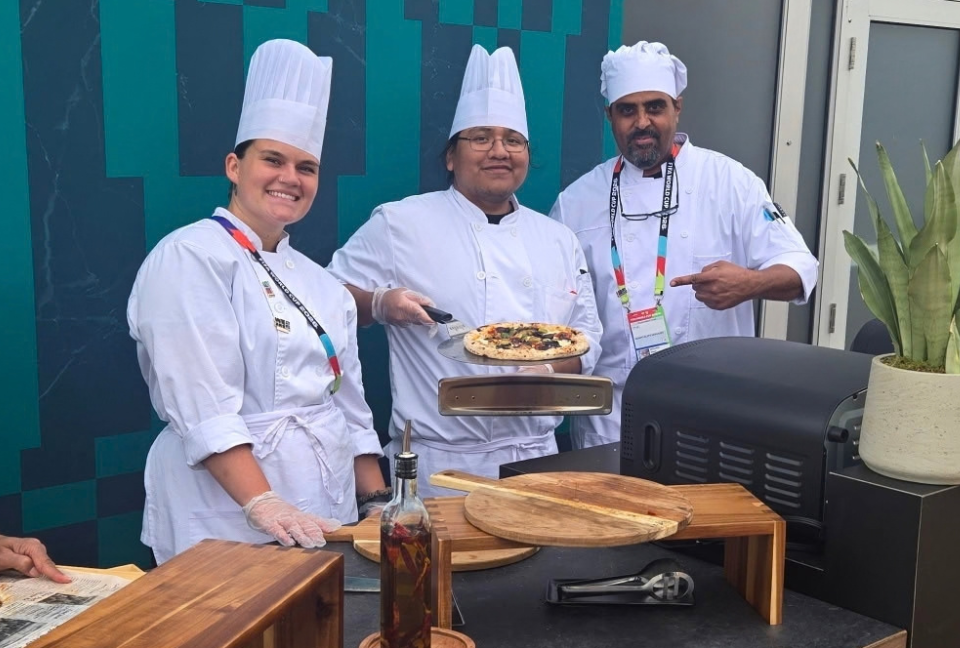
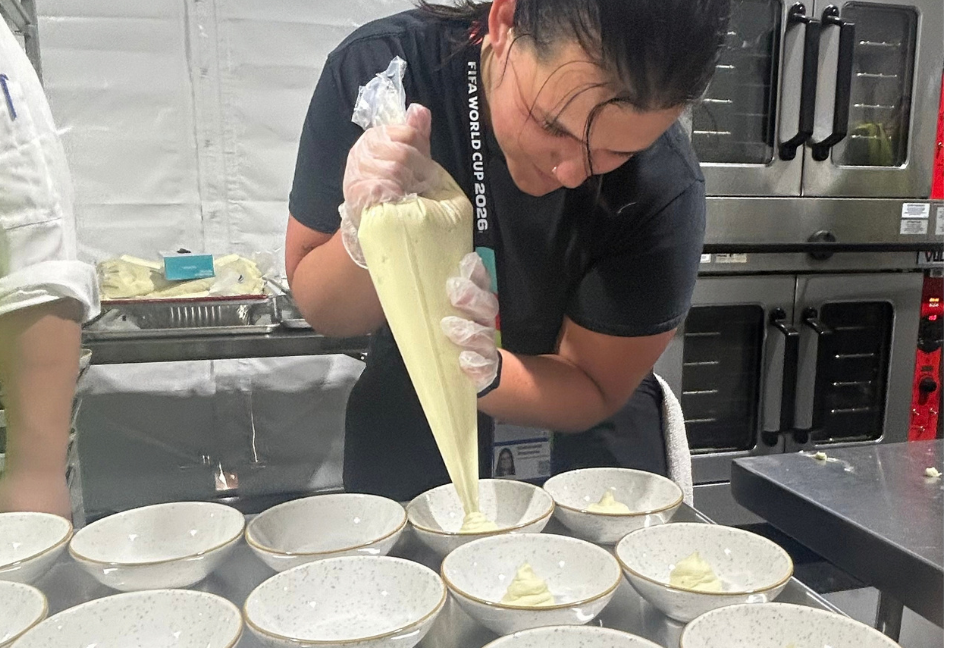
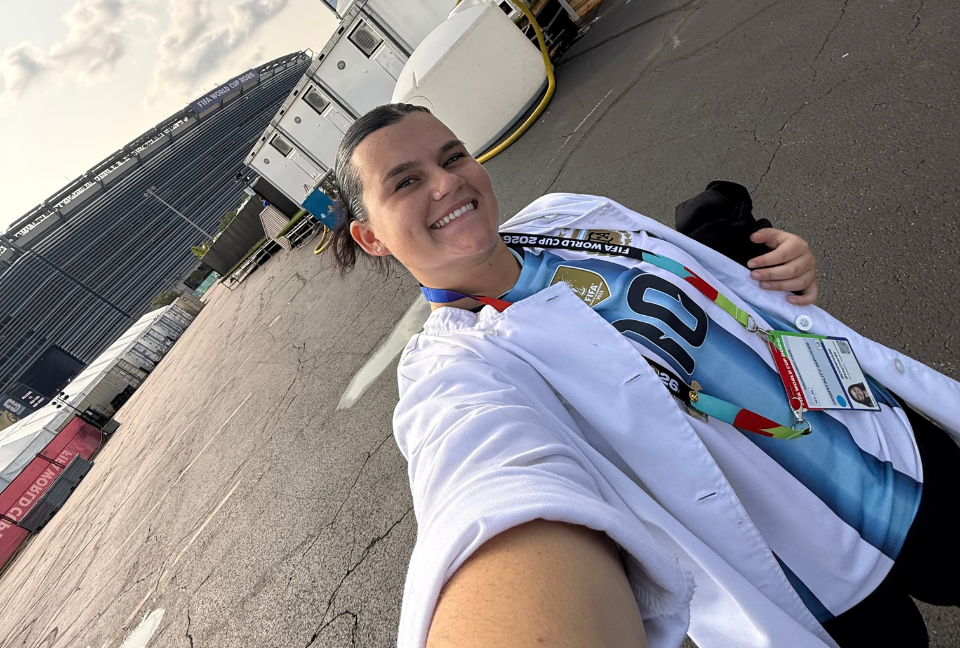
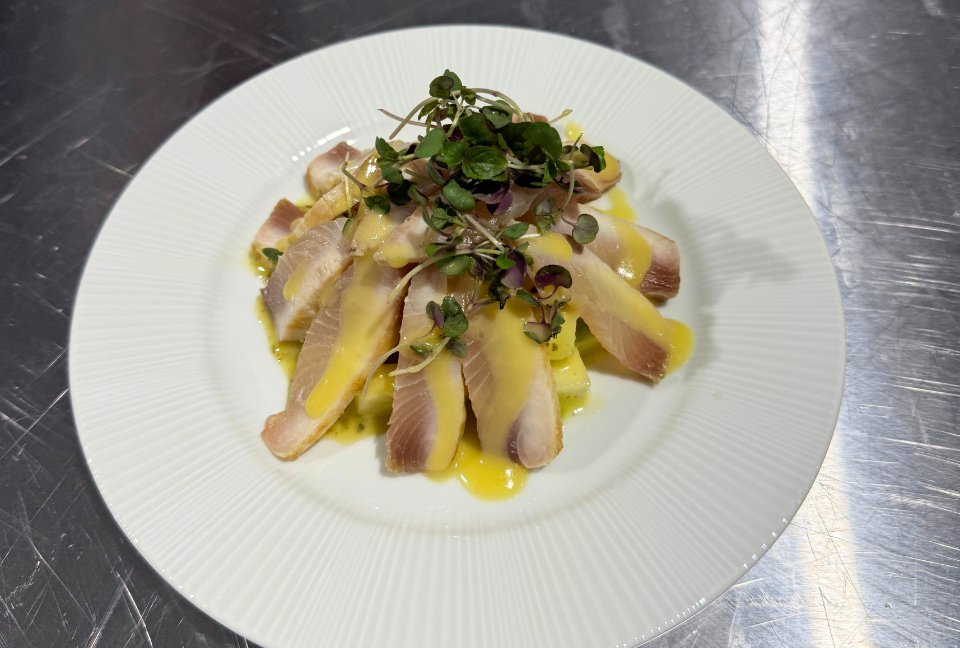
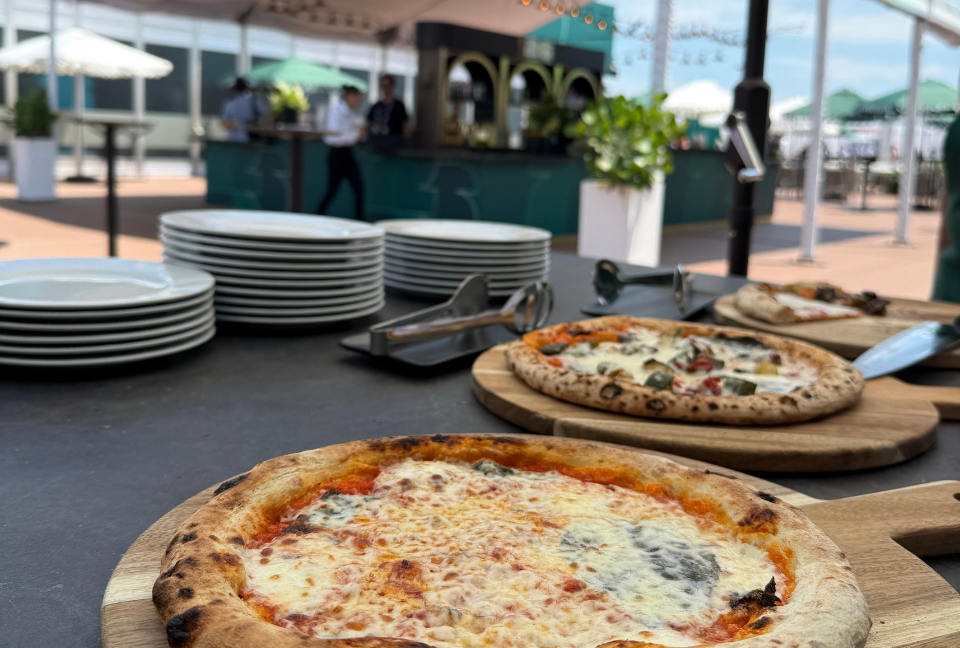
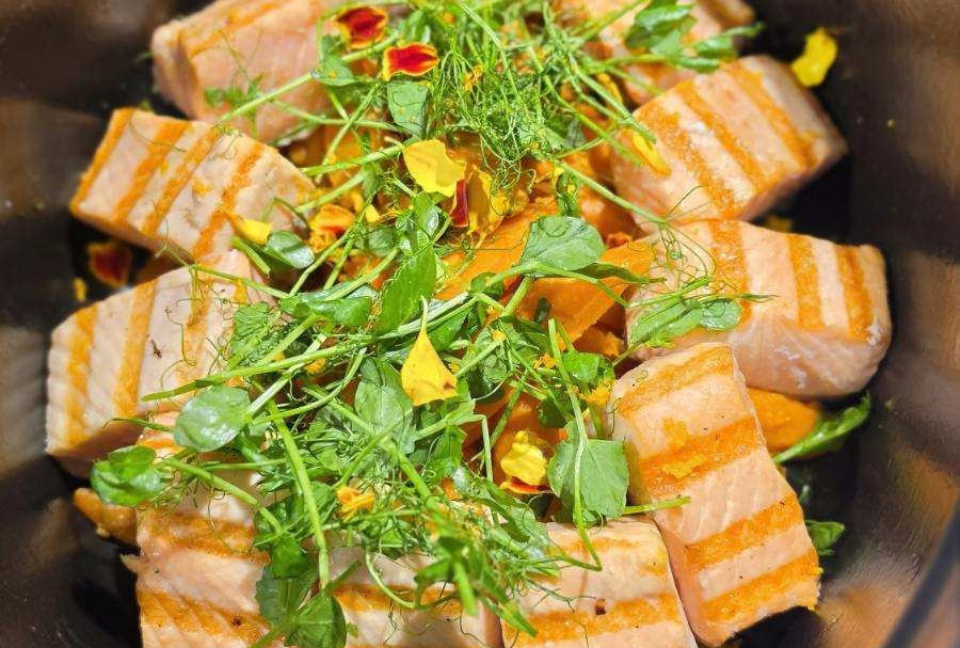
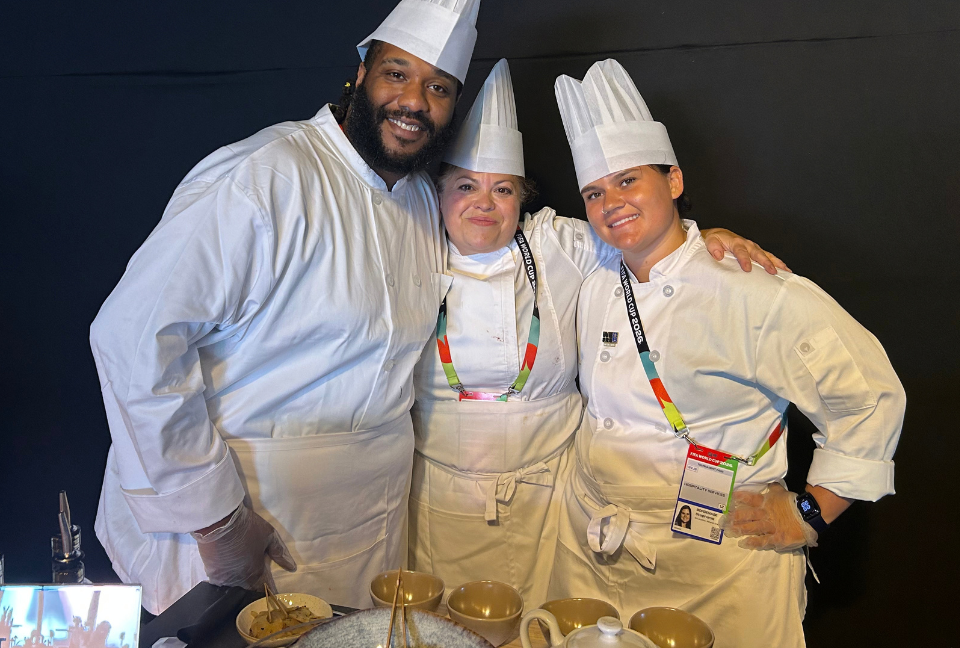
Bordenabe worked eight games as part of the hospitality culinary team, preparing and executing large-scale food service for guests of the international spectacle.
“Each game day started well before the guests arrived,” Bordenabe said.
Preparation was the key to her success — managing ingredients, making sauces, and organizing hospitality spaces made even the highest-pressure scenarios run smoothly.
Bordenabe shared that each game brought a different pace and unique set of challenges. Serving thousands of guests, the culinary team had to prioritize organization, consistency, timing, and communication.
“From early prep and setup to the final breakdown and cleanup, I experienced the full process of what goes into executing a large-scale sporting event,” Bordenabe said. “Working in the kitchen required everyone to communicate and work together to keep service moving efficiently, especially during the busiest periods.”
One of her favorite parts of the experience was working with the live-action stations, where food was prepared and finished directly for guests.
“I had the opportunity to work the mahi mahi tataki station, preparing and serving the dish during service,” said Bordenabe. “These stations required speed and precision while still maintaining presentation and quality, all while interacting with guests.”
Bordenabe said the unique opportunity emphasized why she loves what she does.
“It was an experience that pushed me professionally, created lasting memories, and reminded me why I love working in the culinary industry.”